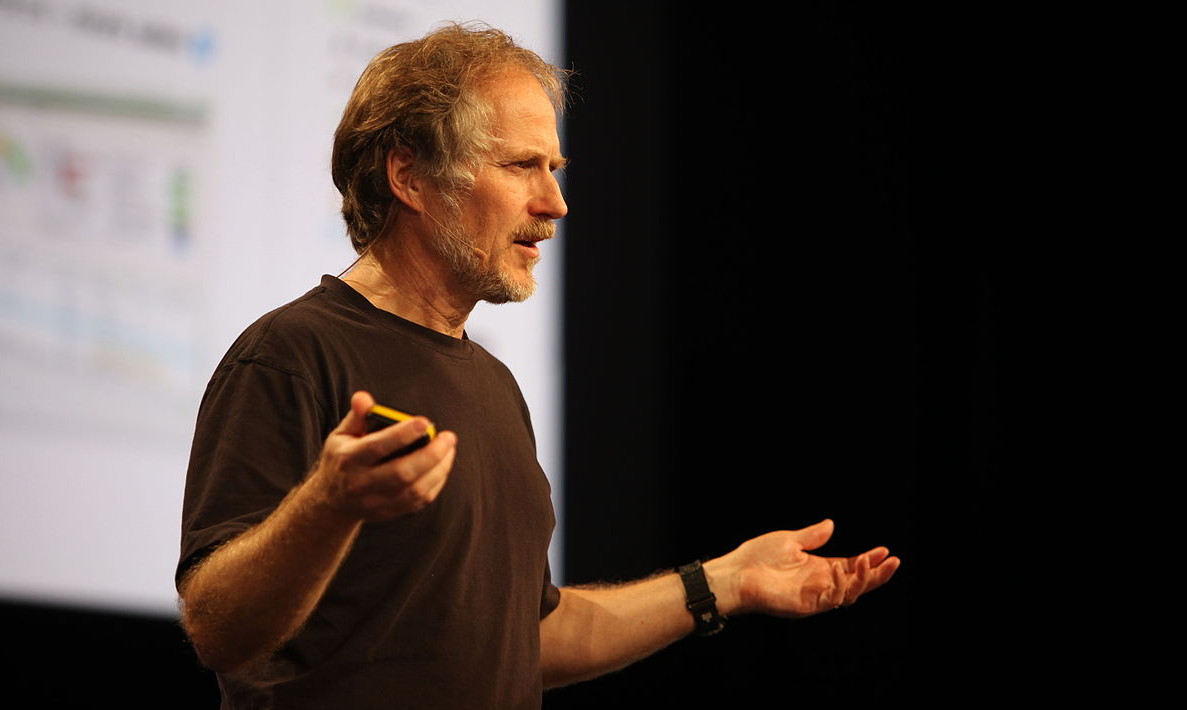
Who first used the phrase “Web 2.0” in the first place? ( picture or video )
Tim O’Reilly
Describe in “one word” the difference between:Web 1.0, Web 2.0 and Web 3.0
The first stage, web 1.0, was about connecting information and getting on the net. Web 2.0 is about connecting people putting the “I” in user interface, and the “we” into a web of social participation. The next stage, web 3.0, is starting now.
What are the sites called wikis? (examples using logos)
The other two appeals are ethos (ethics) and pathos (emotion). Appeals to logos are those that involve or influence the logical reasons an audience should believe an argument. … Examples of logos in an argument for tax reform might include: The United States has the highest corporate income tax in the world.
Explain what is the trend named Nomadicity.
Nomadicity is the tendency of a person, or group of people, to move with relative frequency. Leonard Kleinrock and others have written of the need to support today’s increasingly mobile workers with nomadic computing, the use of portable computing devices and, ideally, constant access to the Internet and data on other computers. Standards such as the IETF’s Mobile IPv6 standards and Dynamic Host Configuration Protocol (DHCP) can be said to support nomadic computing.
What is a “Mashup” for networks? (examples)
Traditional mashups blend information from multiple sources. Sometimes, however, they just reinterpret existing data from a single source. … For example, Housingmaps.com is a mashup that applies real estate information, such as apartments for rent or homes for sale, from Craigslist to Google Maps.
What do you think about the 2.0 controversy?
David Hornik, famous as the VC at August Capital who made some of the first true web 2.0 investments, is actually a lawyer. And a good one. Not to mention a Harvard Law School grad. (Who now teaches at a business school.) He has the go-to post on the web 2.0 trademark controversy, in which a conference promoter (CMP) sent a cease-and-desist letter to an Irish non-profit with a plan to hold a conference using the term “web 2.0” in a manner that CMP believed violated their rights. Equally important, to be sure, is Tim O’Reilly’s summation/apology post (CMP works with O’Reilly on the huge
 Jersy's blog